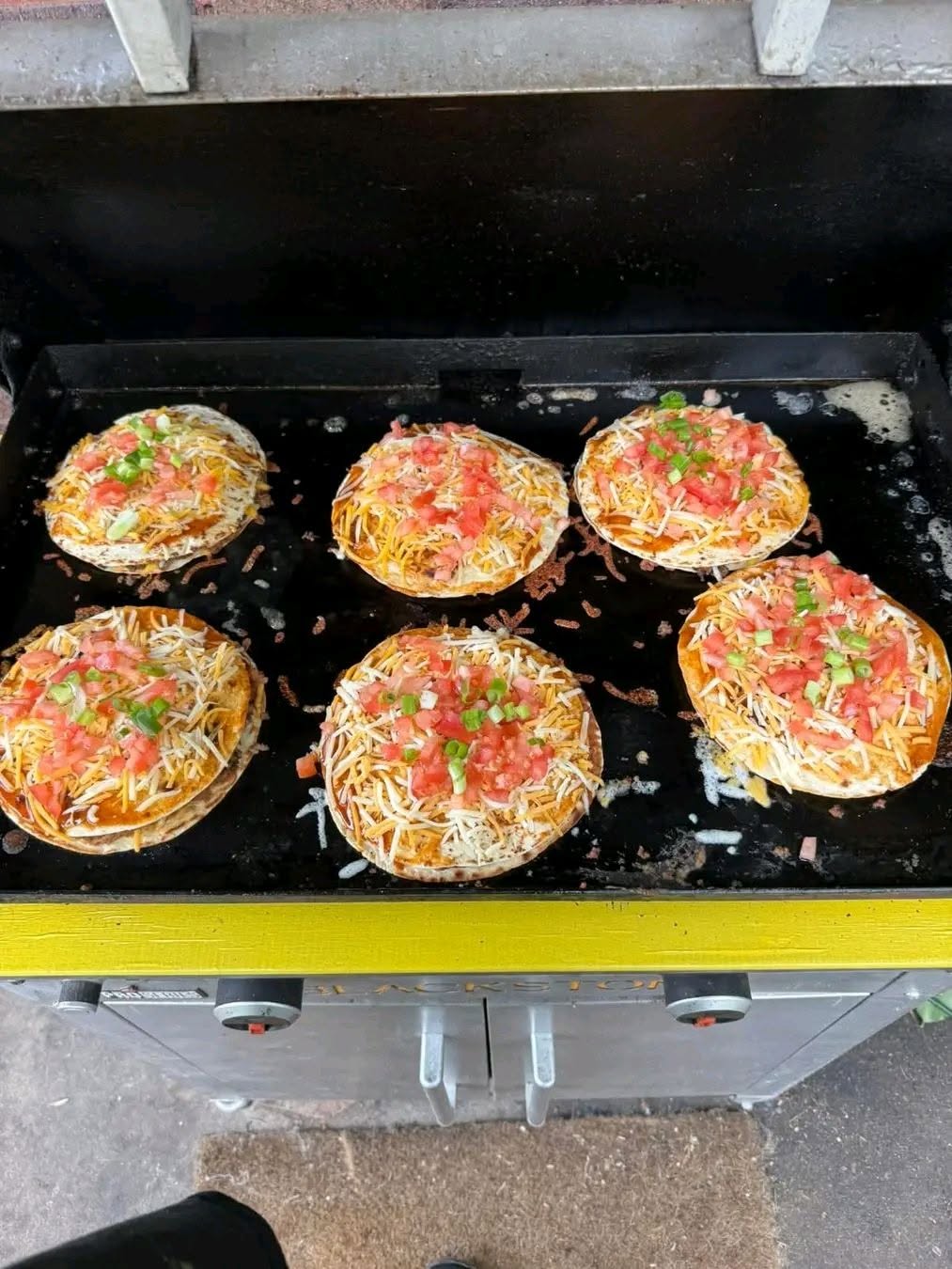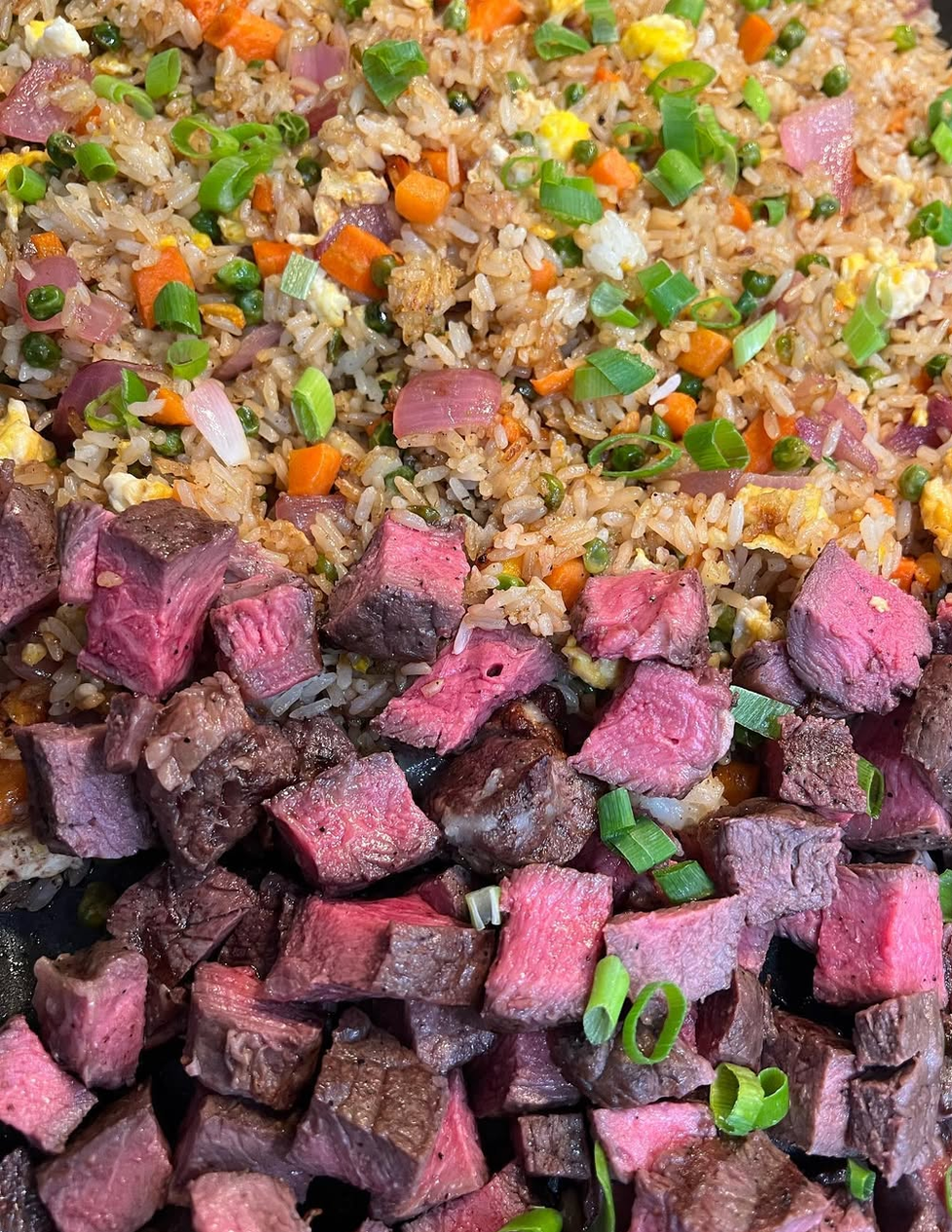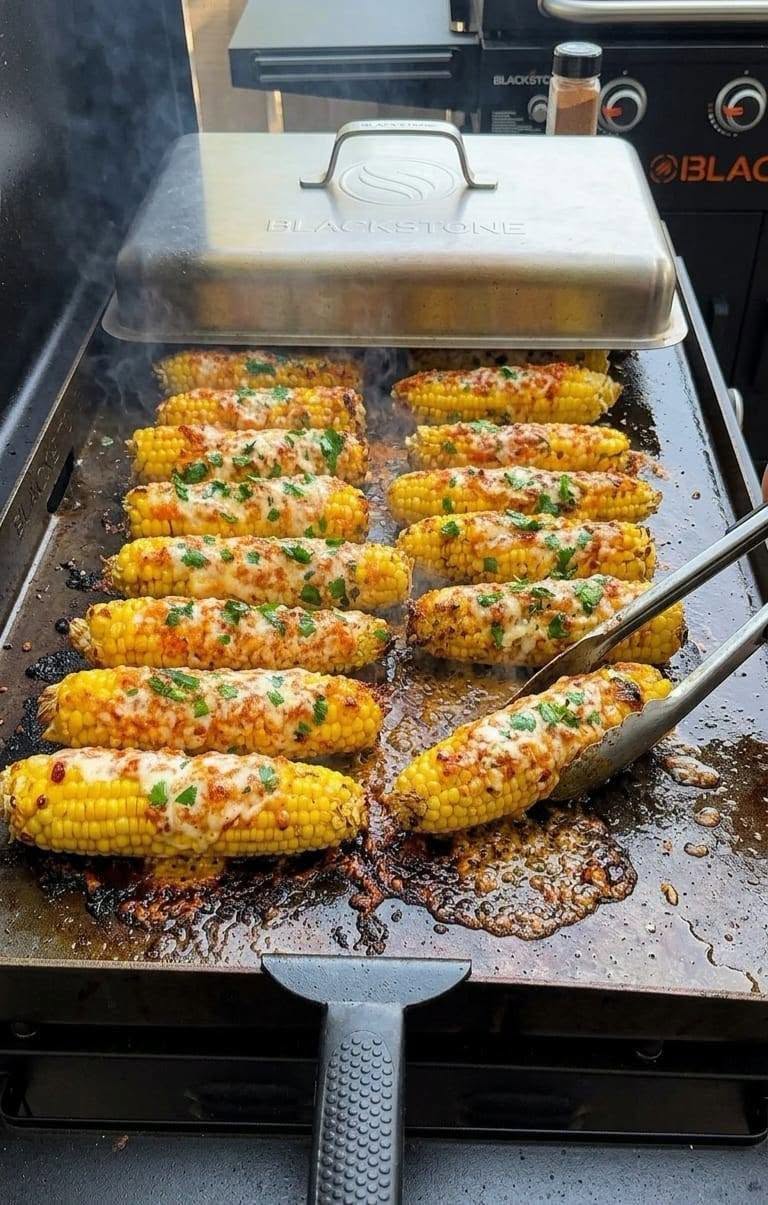


Blackstone griddles have become incredibly popular for backyard cooking because they offer a large, versatile cooking surface that makes everything from breakfast to dinner easier. Whether you’re making pancakes, smash burgers, bacon, cheesesteaks, fried rice, or grilled vegetables, a Blackstone griddle can handle it all. However, getting great results takes more than simply turning on the burners and throwing food onto the surface.
For beginners, a few common mistakes can lead to uneven cooking, sticking food, excessive smoke, poor seasoning, wasted grease, and even unnecessary damage to the griddle. Learning what not to do can help you get better results and protect your investment.
In this guide, we’ll cover the 10 Mistakes Beginners Make With Blackstone Griddles, along with practical tips to help you cook more confidently and keep your griddle in excellent condition.
1. Cooking With the Heat Up Too High
One of the most common mistakes beginners make with Blackstone griddles is using extremely high heat for everything. Because the griddle can reach high temperatures quickly, it may seem logical to turn all the burners to maximum whenever you want to cook something faster.
In reality, excessive heat can make cooking more difficult.
A very hot cooking surface can burn the outside of your food before the inside has a chance to cook properly. It can also cause oil to smoke excessively, burn sauces, scorch vegetables, and make delicate foods difficult to control.
Different foods require different temperatures. Smash burgers, for example, benefit from a hot surface because you want strong browning and a crispy crust. Pancakes, eggs, grilled sandwiches, and vegetables usually need more moderate heat.
A good beginner strategy is to start with medium or medium-high heat and adjust from there. Give your griddle several minutes to preheat and learn how quickly your particular model responds to temperature changes.
Remember that the surface can remain extremely hot even after you reduce the burners. Learning to control heat rather than simply maximizing it is one of the most important skills for successful Blackstone cooking.
2. Failing to Season Your Blackstone
Another major beginner mistake is not properly seasoning a new Blackstone griddle.
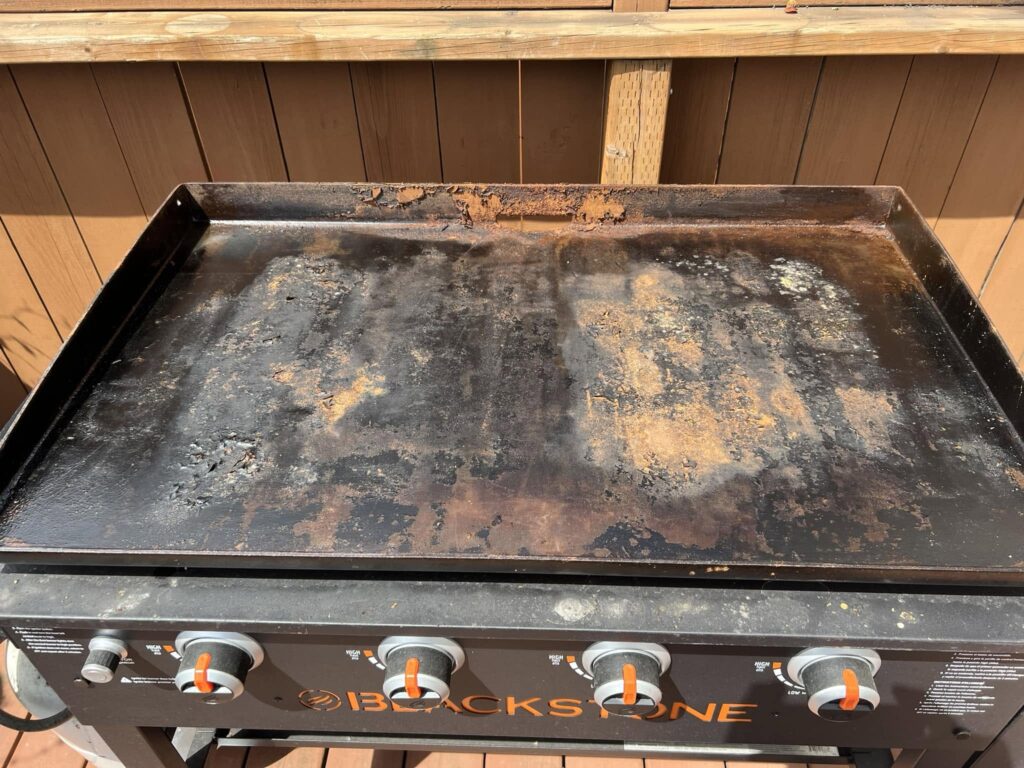
Seasoning isn’t simply about making the cooking surface look darker. A properly maintained seasoning layer helps protect the steel surface, improves cooking performance, and can help reduce sticking over time.
Before cooking regularly, follow the manufacturer’s instructions for preparing and seasoning your griddle. Generally, this involves cleaning the surface as directed, heating it, applying a very thin layer of appropriate cooking oil, allowing the oil to polymerize, and repeating the process as recommended.
One important detail is that more oil doesn’t necessarily mean better seasoning. Applying thick layers can create a sticky or uneven surface. Thin, controlled layers are generally much more effective.
After cooking, maintaining the seasoning is equally important. Scrape away food residue, remove excess grease, wipe the surface clean, and apply a very thin protective layer of oil if appropriate.
A well-maintained cooking surface should gradually develop a darker appearance. Don’t worry if your griddle doesn’t look perfect immediately. Seasoning develops through repeated cooking and proper maintenance.
3. Overcrowding Your Food on the Cooking Surface
The large cooking surface is one of the biggest advantages of a Blackstone griddle, but beginners sometimes try to use every available inch at once.
Overcrowding can cause several problems.
When too much food is placed on the griddle, the temperature of the cooking surface can drop significantly. Moisture from the food can also accumulate, creating steam instead of the browning and crisping you want.
For example, if you’re cooking a large amount of vegetables, placing everything in one huge pile may cause them to steam. Similarly, overcrowding burger patties can make it difficult to achieve proper browning.
Instead, leave some space between foods whenever possible. Work in batches when necessary and use the open areas of the griddle strategically.
The goal isn’t simply to cook as much food as possible at once. The goal is to maintain enough heat and space to cook each ingredient properly.
4. Failing to Establish Cooking Zones With Different Temperatures
A Blackstone griddle gives you something a traditional frying pan usually doesn’t: a large surface where you can create different temperature zones.
Beginners often set every burner to the same temperature and treat the entire griddle as one giant pan. While this can work for some foods, it limits what you can accomplish.
Instead, consider creating a hot zone, a medium-temperature zone, and a cooler area.
You can use the hottest section for searing burgers or creating crispy edges. A medium zone can be useful for cooking vegetables, eggs, pancakes, or sandwiches. A cooler section can serve as a holding area for food that is already cooked or for ingredients that need gentle heating.
These zones also give you more control when cooking multiple ingredients at the same time.
For example, you might sear chicken on a hotter section and then move it to a cooler area to finish cooking. You can cook onions slowly while preparing burgers nearby. You can also move food away from direct heat if it starts browning too quickly.
Learning to use temperature zones is one of the best ways to become more efficient with a Blackstone griddle.
5. Neglecting to Tend to Your Food by Flipping or Stirring
A griddle gives you a large cooking surface, but food still needs attention.
Some beginners place food on the griddle and leave it untouched for too long. This can result in burning, uneven browning, or ingredients sticking to the surface.
Different foods require different levels of attention. Burgers may need to remain undisturbed for a while to develop a good crust, but vegetables often benefit from regular tossing or stirring.
Pancakes need to be flipped at the appropriate time. Eggs require careful movement. Fried rice needs frequent tossing to prevent ingredients from burning. Thin foods can cook extremely quickly, especially on hotter sections of the griddle.
The key is learning when to leave food alone and when to move it.
Don’t constantly flip everything just because you’re worried about burning it. At the same time, don’t walk away from food that requires active cooking.
Pay attention to color, texture, sizzling, and moisture. These visual and auditory cues will eventually become more useful than simply following a timer.
6. Forgetting to Manage and Dispose of Your Grease
Grease management is an essential part of Blackstone ownership.
Foods such as bacon, burgers, sausage, and fatty cuts of meat can produce a surprising amount of grease. If you allow grease to accumulate on the cooking surface, it can interfere with cooking and create unnecessary smoke.
Even more importantly, grease needs to be handled safely.
After cooking, allow the griddle and grease to cool appropriately according to the manufacturer’s instructions. Use the grease management system correctly and dispose of grease responsibly.
Never pour large quantities of hot grease down a household drain. It can solidify and create serious plumbing problems.
It’s also important to keep the grease collection area clean. A buildup of old grease and food particles can become unpleasant and potentially create a fire hazard.
Make grease management part of your normal cooking routine rather than treating it as an afterthought.
7. Choosing the Wrong Foods for the Griddle
A Blackstone griddle is extremely versatile, but that doesn’t mean every food should be cooked directly on its surface.
Foods that benefit from direct contact with a flat-top surface include burgers, steaks, bacon, sausages, eggs, pancakes, grilled sandwiches, quesadillas, vegetables, and many stir-fry-style dishes.
However, extremely liquid foods, foods that require a deep pot, or ingredients that can easily fall into the grease channel may not be ideal without an appropriate pan or accessory.
Beginners should also consider how much moisture a food releases. Ingredients with excessive moisture can create steam and interfere with browning.
This doesn’t mean you have to avoid those foods completely. Instead, consider whether a griddle-safe pan, dome, or other appropriate cooking method would work better.
Understanding what the griddle does best will help you get better results while making cooking more enjoyable.
8. Having Too Many Griddle Accessories and Failing to Keep Them Simple
Blackstone cooking has inspired an enormous number of accessories, including spatulas, scrapers, squeeze bottles, burger presses, melting domes, tongs, trays, cleaning tools, and specialized cookware.
Accessories can certainly make cooking easier, but beginners sometimes buy far more equipment than they actually need.
You don’t need a huge collection of gadgets to make excellent food on a Blackstone griddle.
Start with a few reliable essentials: a good pair of spatulas, appropriate tongs, a scraper, oil bottles, and basic cleaning supplies. Depending on what you cook, a melting dome and a suitable thermometer can also be useful.
As you gain experience, you’ll discover which tools actually improve your cooking style.
Keeping your setup simple also makes cleanup easier. Too many accessories can clutter your workspace and make it harder to move around the griddle safely.
The best accessories are the ones you actually use.
9. Not Protecting Your Griddle With a Hard Cover
Leaving a Blackstone griddle exposed to the elements is another mistake beginners should avoid.
Even though the cooking surface is designed for outdoor use, prolonged exposure to rain, humidity, dust, dirt, and debris can create problems. Moisture is particularly important because the steel cooking surface needs proper care to minimize the risk of rust.
A hard cover can provide an additional layer of protection when the griddle isn’t being used.
However, don’t assume that putting the cover on immediately after cooking is always the best approach. Allow the griddle to cool appropriately and make sure the surface has been cleaned and maintained according to the manufacturer’s recommendations before covering it.
It’s also a good idea to keep the surrounding cooking area clean and dry.
Proper protection can help your griddle remain attractive and functional for much longer.
10. Not Cleaning the Griddle Properly After Cooking
One of the biggest mistakes beginners make is treating cleanup as optional.
A Blackstone griddle doesn’t need to look brand new after every meal, but leaving food particles, burned residue, and excess grease on the cooking surface is not good practice.
Cleaning should begin while the surface is still warm enough to make removing residue easier, but always follow the manufacturer’s safety instructions and use appropriate tools.
Use a griddle scraper to remove food debris and excess grease. Wipe the surface with appropriate materials, then maintain the cooking surface as recommended.
Avoid using harsh cleaning methods or chemicals that aren’t appropriate for the cooking surface.
The goal is not to remove every bit of seasoning. In fact, aggressively stripping the surface after every meal can work against you.
Think of cleaning as maintenance rather than starting over. Remove food debris, control grease, protect the surface, and preserve the seasoning you’ve built.
How to Avoid Common Blackstone Griddle Mistakes
The easiest way to become better at Blackstone cooking is to develop a simple routine.
Before cooking, inspect the griddle and make sure the surface is clean and properly maintained. Preheat gradually and establish different temperature zones.
During cooking, avoid overcrowding the surface and pay attention to your food. Move ingredients between temperature zones when necessary. Use the right tools and manage grease as you cook.
After cooking, scrape the surface, remove food residue and excess grease, and follow the manufacturer’s recommended maintenance routine.
Finally, protect the griddle when it’s not being used.
These simple habits will make cooking easier and help prevent many of the problems beginners encounter.
Final Thoughts
Learning how to use a Blackstone griddle doesn’t have to be complicated. Most beginner mistakes come from a few simple misunderstandings about heat control, seasoning, food placement, cleaning, and maintenance.
The 10 Mistakes Beginners Make With Blackstone Griddles are easy to avoid once you understand how the cooking surface works. Don’t automatically use maximum heat, take the time to season and maintain your griddle, avoid overcrowding, and learn how to create different cooking zones.
Keep your tools simple, manage grease carefully, choose foods that work well on a flat-top surface, and protect your griddle when you’re finished cooking.
With a little practice, you’ll quickly become more comfortable controlling temperatures, moving food around the cooking surface, and preparing restaurant-style meals in your own backyard.
Most importantly, don’t be afraid to experiment. One of the best things about a Blackstone griddle is its versatility. Once you’ve mastered the basics, you can start exploring everything from smash burgers and breakfast favorites to fajitas, cheesesteaks, fried rice, grilled sandwiches, and more.
Avoid these common mistakes, take care of your griddle, and you’ll be well on your way to becoming a confident Blackstone griddle cook.