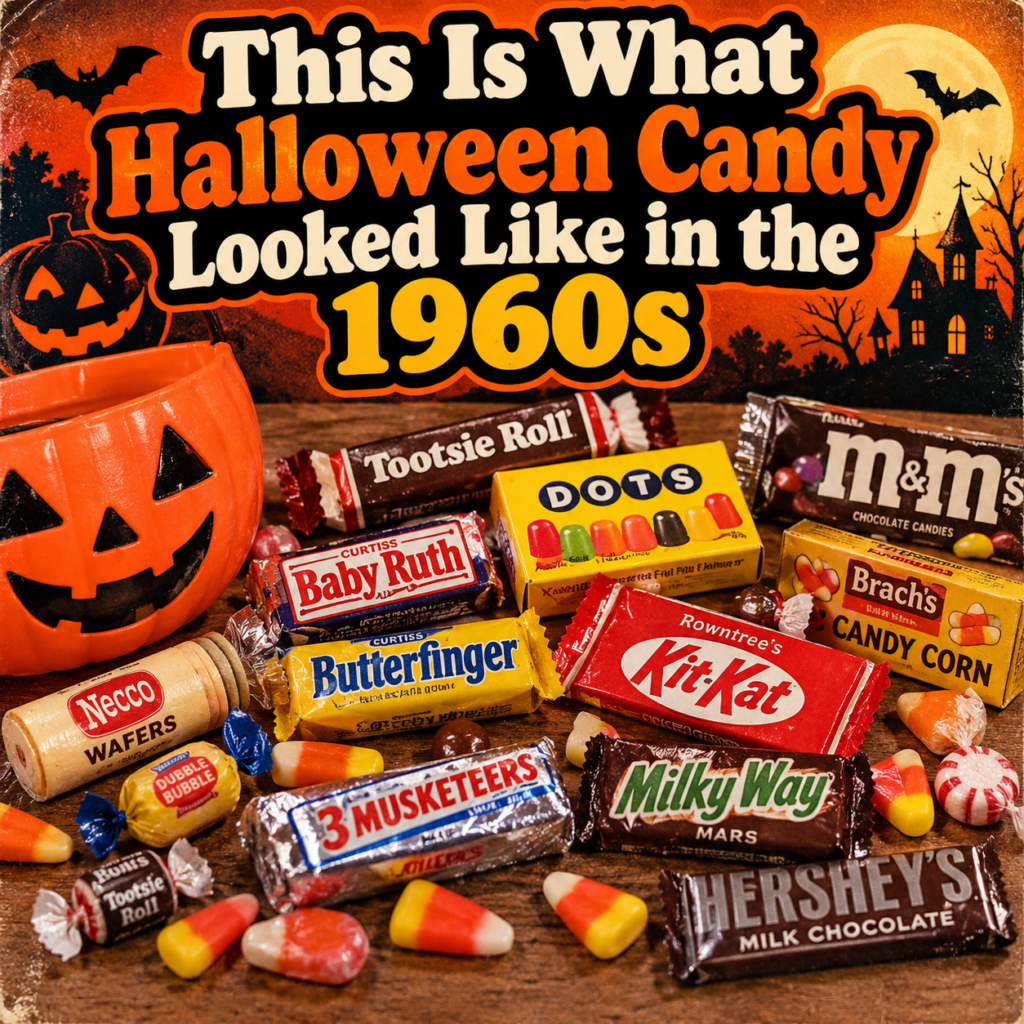


Halloween in the 1960s was a little different from today. Children dressed up as witches, ghosts, cowboys, and monsters, carrying paper bags or plastic pumpkins from house to house. Their Halloween haul often included familiar chocolate bars, colourful sweets, homemade treats, and a few surprises that would look unusual to many children today. From Snickers and Butterfinger to candy cigarettes and popcorn balls, these were the treats that helped make Halloween memorable for a generation.
Chicken Dinner Bar
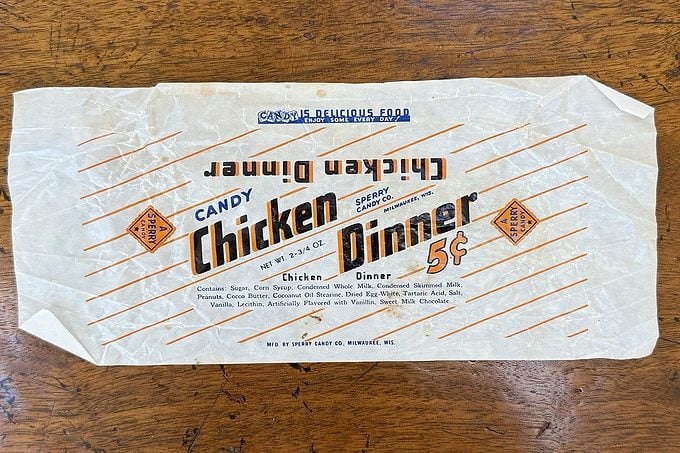
One of the more unusual names in American candy history was the Chicken Dinner bar. Despite its name, this vintage chocolate bar had nothing to do with an actual chicken dinner. It was a candy bar marketed by the Sperry Candy Company during the early 20th century, with packaging that featured a picture of a chicken dinner.
The unusual branding made it stand out among other sweets of its time. Although it was no longer a common Halloween treat by the 1960s, it remains an interesting reminder of how creative and sometimes surprising candy marketing could be. Children who collected vintage candy wrappers might recognise its distinctive name and memorable packaging.
Butterfinger
Butterfinger was already a familiar favourite by the 1960s. Introduced in 1923, this chocolate-covered candy bar was known for its crisp, flaky peanut-butter centre and sweet coating.
Its distinctive texture made it different from softer chocolate bars. The crunchy filling broke into thin layers with every bite, giving it a satisfying combination of sweetness and peanut flavour.
For children going trick-or-treating, a Butterfinger was an exciting find in a bag full of sweets. The brand’s advertising also helped keep it in the public eye, making it a recognisable name for American candy lovers.
Snickers
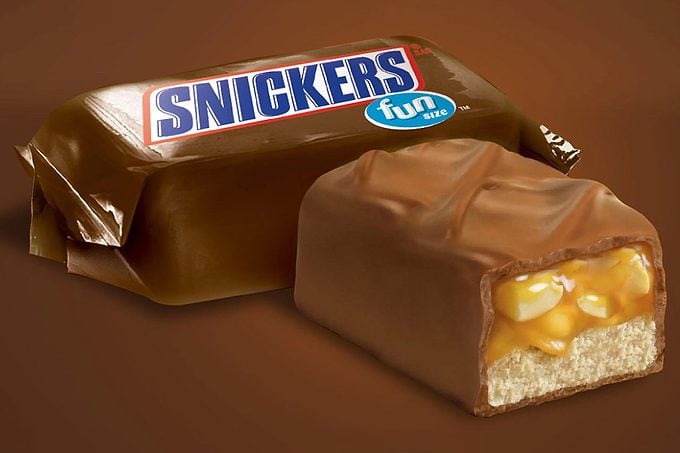
Snickers was another popular chocolate bar that children could hope to find in their Halloween bags. First introduced in 1930, it combined nougat, caramel, and peanuts covered in milk chocolate.
The mix of chewy caramel, soft nougat, crunchy peanuts, and chocolate made it a satisfying treat. By the 1960s, Snickers had become a well-established name in the American candy market.
Miniature and fun-size candy bars became increasingly familiar options for Halloween as individually wrapped sweets gained popularity. Finding a Snickers among the evening’s treats was a small but welcome reward after a long walk around the neighbourhood.
Seven Up Bar
The Seven Up Bar was a distinctive vintage chocolate bar introduced by the Pearson’s Candy Company in the 1930s. It was made with seven different chocolate-covered centres in one bar, giving it a variety of flavours and textures.
Depending on the version, the centres included different combinations of fillings such as caramel, fruit, nougat, and other sweet flavours. The idea was simple: one candy bar offered several treats in a single package.
Although the Seven Up Bar was not a standard Halloween sweet by the 1960s, it represents the inventive candy designs that made earlier decades so interesting to collectors. Its unusual format helped it stand apart from ordinary chocolate bars.
100 Grand Bar
The 100 Grand Bar is a familiar name today, but it wasn’t part of Halloween in the 1960s. It was introduced in 1966 under the name $100,000 Bar and was later renamed 100 Grand.
The candy bar combined caramel and crisped rice covered in milk chocolate. The crispy rice gave it a light crunch, while the caramel added a chewy centre.
Because it appeared near the end of the decade, it offers an interesting connection to the changing candy market of the late 1960s. Its name and texture helped it become a memorable addition to the chocolate-bar aisle in the years that followed.
Tootsie Rolls
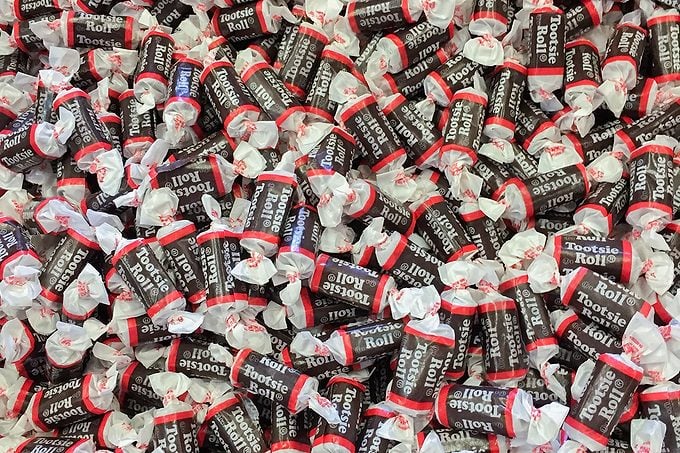
Tootsie Rolls were well suited to Halloween because they were small, individually wrapped, and easy to hand out to groups of trick-or-treaters.
First introduced in 1896, these chewy chocolate-flavoured sweets had a texture unlike most traditional chocolate bars. They were firm but pliable, with a sweet cocoa flavour that made them a long-standing American favourite.
By the 1960s, Tootsie Rolls had already been enjoyed by several generations. Children might find a few loose pieces in their bags alongside chocolate bars, hard candies, and other individually wrapped sweets.
Their long shelf life and convenient size also made them practical for households preparing for Halloween night.
Candy Corn
Candy corn is one of the most recognisable Halloween sweets in American history. Its white, orange, and yellow layers resemble kernels of corn, even though the sweet itself is made primarily from sugar and other confectionery ingredients.
Candy corn dates back to the late 19th century, long before the 1960s. By the middle of the 20th century, it was strongly associated with autumn celebrations and Halloween.
Unlike individually wrapped chocolate bars, candy corn was often sold loose or in bags. Its soft, sugary texture and bright colours made it a seasonal favourite, although its intense sweetness has always divided candy lovers.
For some families, a bowl of candy corn was as much a part of autumn decorating as pumpkins and dried leaves.
Candy Cigarettes
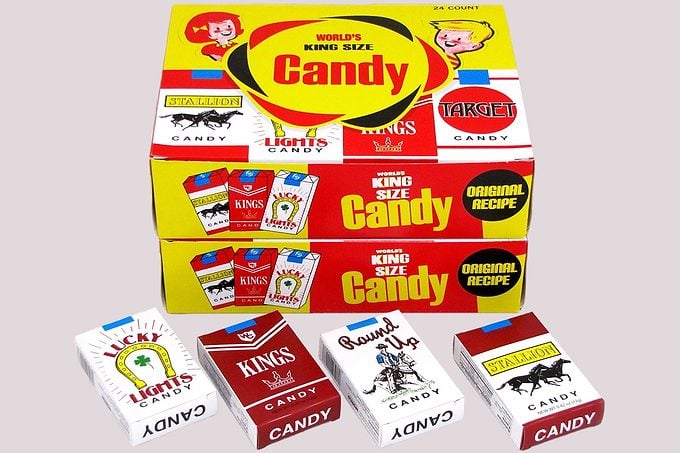
Candy cigarettes were a very different kind of sweet from the treats children are most likely to receive today. These chalky sugar sticks were designed to resemble cigarettes, sometimes with red colouring at one end to imitate a lit tip.
They were sold in small paper packages that looked similar to cigarette packs. During the 1960s, products like these reflected a period when smoking was much more openly represented in advertising and popular culture.
Some children treated them as novelty sweets, pretending to imitate adults. Today, candy cigarettes are often discussed as an example of how attitudes toward smoking, children’s products, and advertising have changed.
Their history is a reminder that the Halloween treats of the past reflected the culture and social norms of their time.
Bazooka Gum
Bazooka bubble gum was a favourite among children who loved blowing bubbles. Introduced in the late 1940s, it became well known for its pink gum and small comic strips included with the wrappers.
The comics featured Bazooka Joe and his friends, giving children a little story to read after enjoying the gum. This extra feature helped make the product stand out from ordinary bubble gum.
By the 1960s, Bazooka was a familiar name in American shops. Its compact size also made it an easy treat to hand out during Halloween.
For many children, the fun wasn’t just chewing the gum. Collecting the little comics and comparing them with friends was part of the experience.
Cracker Jack
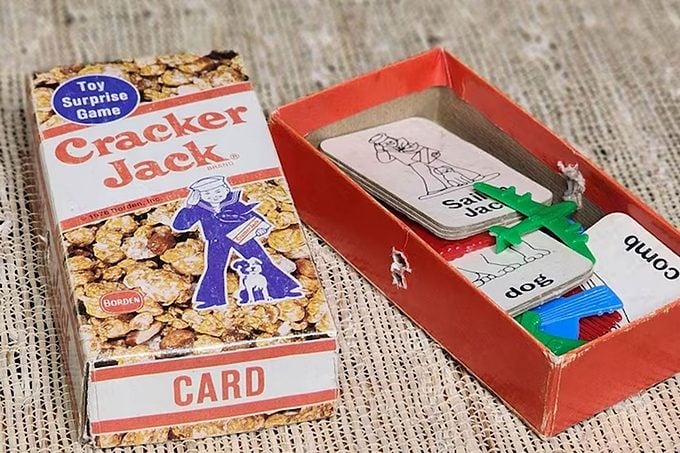
Cracker Jack brought together sweet caramel-coated popcorn and peanuts in a crunchy snack. First introduced in the late 19th century, it became famous for including small prizes inside its packaging.
Although it was more commonly associated with fairs, baseball games, and everyday snacking than with Halloween specifically, Cracker Jack could still be part of a child’s collection of autumn treats.
The little prize inside made it especially exciting. Children might be just as interested in discovering the toy or novelty item as they were in eating the popcorn.
In the 1960s, Cracker Jack’s combination of food and surprise reflected a popular approach to children’s snacks: the treat was more fun when it came with something extra.
Candy Apples
Candy apples were a classic autumn treat long before the 1960s. Whole apples were coated in a hard, glossy sugar shell, often bright red, and served on sticks for easier eating.
They were particularly popular at autumn fairs, school events, harvest celebrations, and Halloween parties. Unlike individually wrapped sweets, candy apples were usually made fresh and enjoyed at home or at special gatherings.
Their shiny red coating made them look festive, while the crisp apple inside offered a contrast to the sweet shell.
Some families prepared candy apples as a Halloween activity, while others bought them from local shops or seasonal events. They remain a nostalgic symbol of old-fashioned autumn celebrations.
Pixy Stix
Pixy Stix brought a burst of colourful sweetness to the candy world. These paper tubes were filled with flavoured sugar that children poured directly into their mouths.
The product developed from an earlier powdered drink mix and became a popular candy during the 1950s. By the 1960s, its brightly coloured packaging and intense sweet-and-sour flavours made it appealing to children.
Pixy Stix were quite different from chocolate bars or chewy sweets. They were lightweight, easy to carry, and didn’t melt in a pocket the way chocolate could.
For children comparing Halloween bags, a Pixy Stix offered a different kind of treat: a quick hit of fruity sugar rather than a bar to savour slowly.
Popcorn Balls
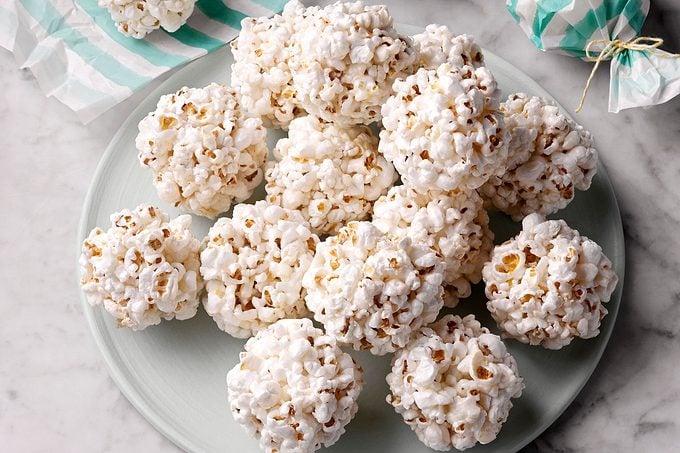
Popcorn balls were a familiar homemade Halloween treat in many American households. They were made by combining popped popcorn with a sticky syrup, shaping the mixture into balls, and allowing it to set.
Some families added food colouring, peanuts, or other ingredients to make their popcorn balls more festive. They might be wrapped in waxed paper or clear cellophane before being handed out to children.
Unlike factory-produced candy, popcorn balls often reflected a family’s own recipe. Their size and flavour could vary from one home to another, making them a distinctive part of old-fashioned Halloween traditions.
However, homemade treats became less common in trick-or-treating over time as concerns about food safety and tampering encouraged families to favour commercially wrapped sweets.
Raisins
Not every Halloween treat was candy. Sometimes, children received a small box of raisins instead of a chocolate bar or bag of sweets.
Raisins were inexpensive, portable, and easy for families to hand out. They were also seen by some adults as a more wholesome alternative to sugary treats.
For children hoping for chocolate, however, a box of raisins could be a disappointing discovery in an otherwise exciting Halloween haul. The reaction became part of the familiar joke about healthy treats appearing among the sweets.
Small boxes of raisins remain a recognisable example of how Halloween traditions varied from household to household. Some neighbours offered chocolate and sweets, while others preferred fruit snacks or other alternatives.
A Sweet Taste of Halloween History
Halloween candy in the 1960s reflected a mix of old favourites, new products, homemade treats, and novelty sweets. Children might have come home with Tootsie Rolls, Snickers, candy corn, bubble gum, or a box of raisins, depending on which houses they visited.
Some treats from that era are still easy to find, while others have become fascinating pieces of candy history. And although Halloween has changed over the decades, the excitement of opening a bag and discovering what’s inside remains one of the holiday’s most enduring traditions.
Which of these treats do you remember from your childhood Halloween? Was it a favourite chocolate bar, a handful of candy corn, or one of those unusual sweets that you rarely see anymore?